SHS Pipe Full Form and Differences Between SHS, RHS, and HSS Pipes
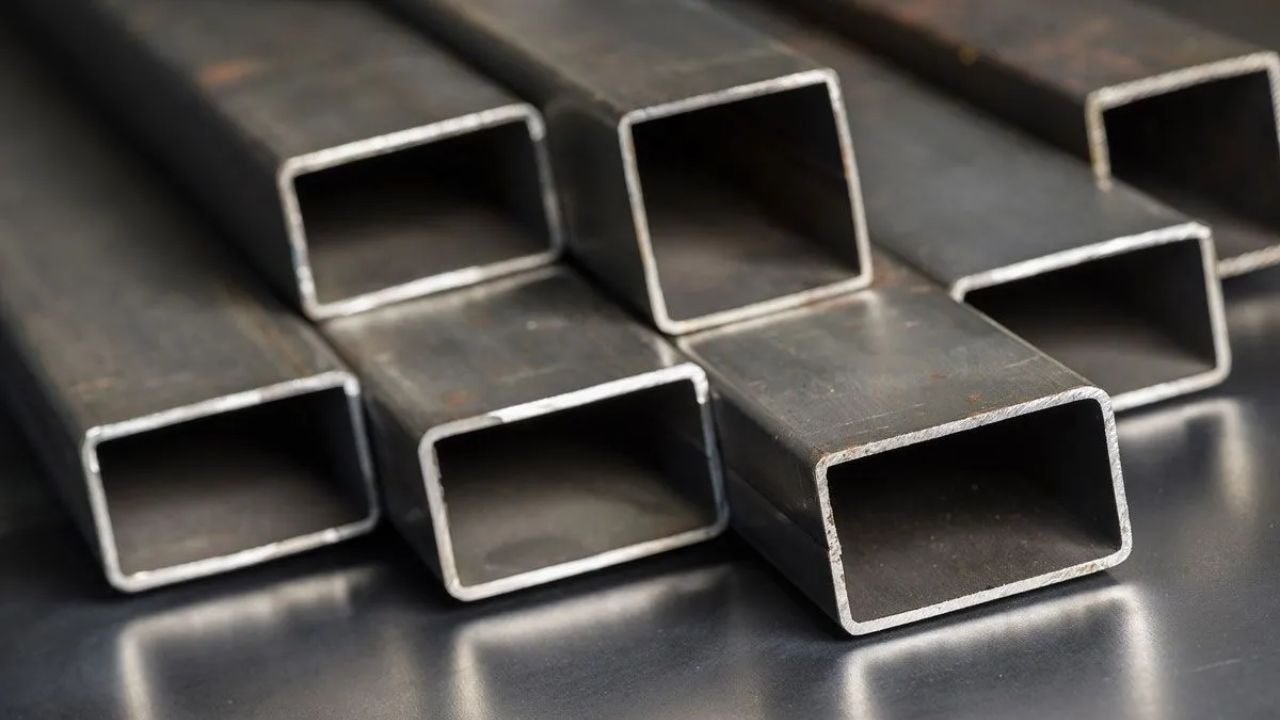
SHS Pipe Full Form is Structural Hollow Section Pipe. It is a hollow steel square tube used in building structures. This tubing is valued for its lightness, uniform strength distribution, and simple manufacturing design. Alongside SHS, two other common terms in the steel industry are RHS and HSS. They are not identical or have the same meaning or usage. Knowledge of the difference is beneficial for engineers and buyers when selecting projects. Suppliers like PandaPipe provide these structural tubes for building and industrial applications where shape and strength both matter.
Meaning of SHS Pipe
SHS pipes “full form” simply refers to Structural Hollow Section. These pipes are of equal length, providing the same strength in every direction. These are mostly employed in frames, columns, and supporting structures where stability is desired, but no complex shaping is required.
What RHS Pipe Means
Rectangular Hollow Section stands for RHS. RHS pipes differ from SHS pipes in that they have uneven sides and are rectangular. This shape allows better load handling in one direction compared to the other. It is often used in beams and structures where directional strength is required. PandaPipe supplies both SHS and RHS tubes, depending on structural requirements for different engineering projects.
What HSS Pipe Means
HSS stands for Hollow Structural Section. It is a general term used primarily in North America. HSS includes both SHS and RHS. This is because HSS is not a shape; it is a category comprising square, rectangular, and circular hollow sections. It’s a more general naming system than a product type.
Shape Differences in Practice
Shape plays a key role in how these pipes perform. SHS pipes distribute force evenly because all sides are equal. RHS pipes handle force better along their longer side. HSS does not define shape but includes both. In design work, engineers select the shape based on how the load moves through the structure.
Strength Distribution
SHS pipes offer balanced resistance in all directions. This makes them suitable for vertical supports and symmetrical structures. RHS pipes, on the other hand, provide stronger resistance in one axis, which is useful in beams. The choice depends on whether uniform or directional strength is needed in the structure.
Manufacturing Process
All three types are usually made using similar methods. Steel sheets are shaped into tubes and welded along the seam. Cold forming is commonly used to maintain shape accuracy. PandaPipe produces these hollow sections under controlled processes to ensure consistent wall thickness and shape accuracy across production batches.
Common Applications
SHS pipes are used in building frames, towers, and support columns. RHS pipes are found in bridges, machinery frames, and long-span structures. In engineering drawings, particularly in North America, HSS is a general term for various types of hardened steel. They are used for different structural purposes depending on the design requirements.
Material Options
These pipes are produced from carbon steel or other structural steel qualities. The material choices impact strength, weldability, and corrosion resistance. Coatings are employed in most construction activities to protect and extend service life. PandaPipe comes in two types: coated and uncoated, depending on environmental conditions and project needs.
Regional Naming Differences
One reason for confusion is the naming differences between regions. In Europe and Asia, SHS and RHS are more commonly used. In North America, HSS is the standard term. Different products have varying names, although they could be the same in terms of functionality. To avoid misconceptions, engineers must be aware of the standards.
Role in Construction Projects
The main reasons these hollow sections are so popular today in the construction industry are their weight reduction and strength. They also provide a clean connection and easy welding. SHS and RHS pipes help reduce material usage while maintaining structural safety. PandaPipe supplies these sections for projects that require consistent sizing and reliable performance.
Selection Factors
The loading direction, space constraints, and the design shape influence the selection of SHS, RHS, or HSS. SHS is used for uniform loads, RHS for directional loads, and HSS as a general reference term. Sometimes, engineers need to analyze drawings and load data to make a final decision.
Conclusion
SHS pipes, RHS pipes, and HSS pipes are quite similar yet not exactly the same. “Square Hollow Sections” is a long name that refers to SHS pipes, while “Rectangular Hollow Sections” is a long name for RHS pipes, whereas HSS is the generic name, which is popular mostly in North America. The use of each depends on its structure and purpose. These differences help to prevent errors in selection and design. In the real world, PandaPipe and other companies provide all three types to meet various construction and engineering demands.