Why Door Knob Quality Fails in the Field — And How to Spec Against It
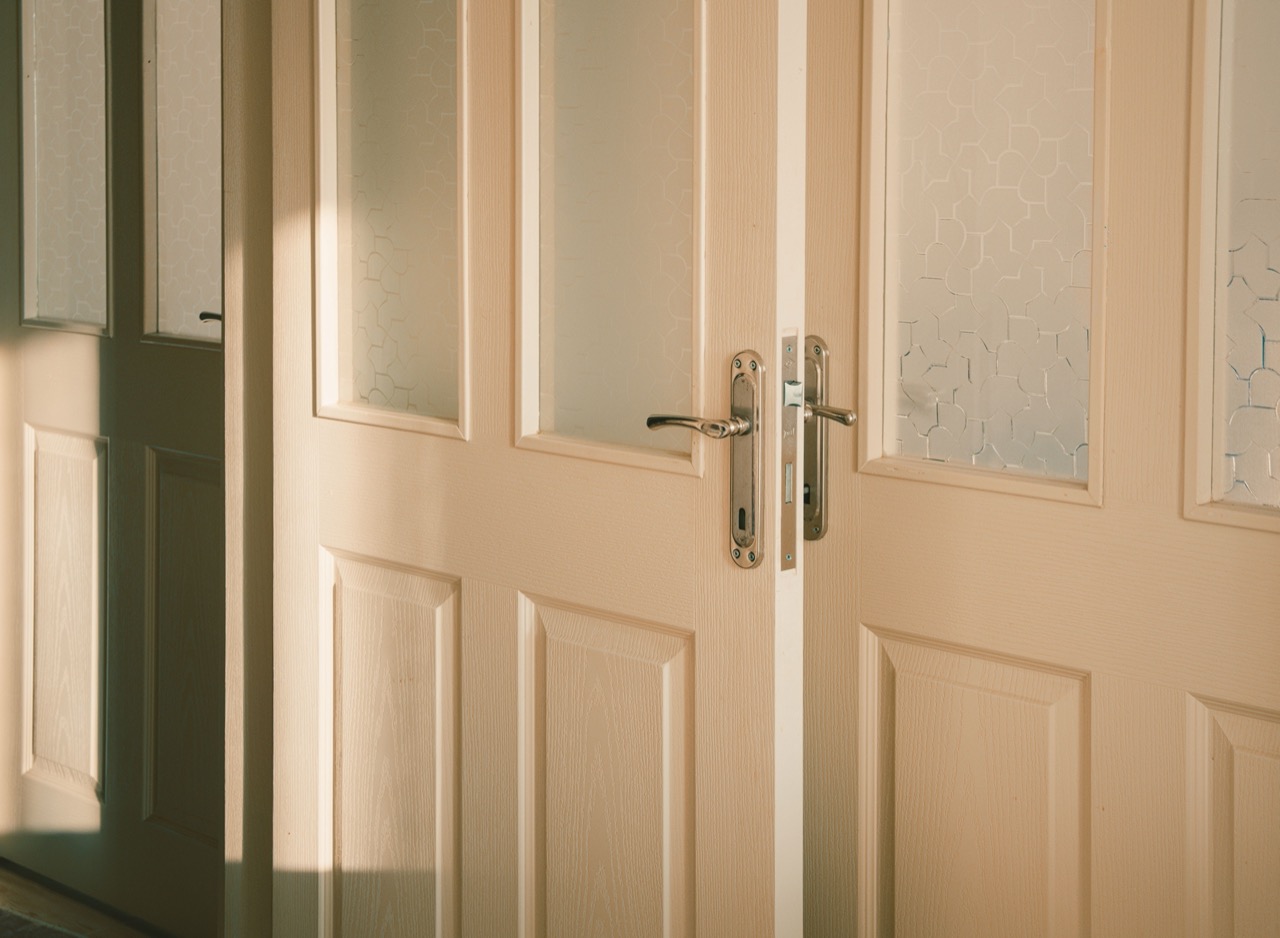
Door knobs fail in predictable ways. The finish peels. The latch stops retracting smoothly. The knob develops play — a wobble that gets worse over months until the whole assembly feels like it’s about to fall off. The spindle shears. These aren’t random failures; they’re the direct result of specific material choices, manufacturing shortcuts, and tolerance decisions made during production. Understanding where the failures come from is what allows buyers to spec against them before the product ships.
Finish Failure: The Most Visible Problem, and the Most Common
Finish failure is the complaint that comes in first and generates the most visible impression of product quality. A door knob with peeling chrome or a polished brass finish that’s gone dull and patchy after six months doesn’t just look bad — it signals poor quality to everyone who touches it.
The finish on a door knob takes abuse that most hardware doesn’t. Hands touch it dozens of times a day, sometimes with oils, moisture, cleaning products, or food residue. It gets wiped down with household cleaners that may contain ammonia or bleach. In bathrooms, it’s exposed to steam and humidity cycling. The finish needs to hold up to all of this, and the durability difference between a properly applied finish and a cheap one is dramatic.
The most common failure mode is delamination — the plated layer separating from the base material. This happens when the base material wasn’t properly cleaned and prepared before plating, when the plating is too thin, or when there’s insufficient adhesion between the plating and the substrate. A chrome finish specified at 0.2 microns will fail faster than one at 0.5 microns under identical use conditions.
Ask suppliers for the finish specification in microns — not just the finish name. A supplier who can tell you the plating thickness has documented their process. One who can only tell you the color hasn’t. For applications involving moisture or chemical exposure, PVD (physical vapor deposition) finishes offer significantly better durability than electroplated finishes, at a higher unit cost. For high-touch commercial applications, the PVD premium is usually worth it.
Salt spray testing is the standard method for evaluating finish durability. ASTM B117 specifies the test methodology; results are reported in hours before the first sign of corrosion. A finish rated to 96 hours is baseline; 240 hours indicates better durability; 480 hours or above is appropriate for demanding environments. Ask for test results, not just a claim that the finish is “durable.”
Latch and Mechanism Wear: The Failure Nobody Notices Until It’s Broken
Finish problems are visible. Mechanism wear is invisible until the door knob stops working, at which point it’s usually a warranty claim or a replacement job.
The latch mechanism in a door knob is a collection of small parts — the latch bolt, the spring that keeps it extended, the cam or spindle connection that retracts it — and each of these parts has a service life that depends on the material it’s made from and the precision with which it was manufactured.
Springs are the most common failure point. A latch spring that’s made from undersized or improperly tempered wire loses tension over time, which makes the latch retraction feel stiff and eventually causes the latch to stick in the retracted position. A door that won’t latch is a door that won’t stay closed, which is a functional failure rather than an aesthetic one.
Ask for cycle testing data on the latch mechanism. ANSI/BHMA standards specify cycle counts for different grades — Grade 1 hardware is tested to 250,000 cycles, Grade 2 to 125,000 cycles, Grade 3 to 82,500 cycles. A door knob that’s been tested to the appropriate grade standard has demonstrated its mechanism durability against a defined benchmark. One without test data hasn’t.
The connection between the knob and the spindle is another common failure point. If the set screw that holds the knob to the spindle is undersized, improperly hardened, or seated in a threaded hole that wasn’t properly cut, it will strip or loosen under normal use. A knob that develops rotational play — where the knob turns slightly before engaging the mechanism — is usually showing early signs of this failure. It gets progressively worse until the knob either spins freely or separates from the spindle.
Base Material: What’s Under the Finish Determines How Long the Finish Lasts
The base material of a door knob affects both the durability of the finish and the structural integrity of the product, and it’s something buyers often don’t ask about because it’s hidden under the surface treatment.
Solid brass is the premium base material for door knobs. It machines to tight tolerances, holds plated finishes well, doesn’t corrode under the finish layer, and has sufficient strength for the loads a door knob experiences. The weight of a solid brass knob — noticeably heavier than zinc or hollow steel — is a quick proxy for material quality, though it’s not definitive on its own.
Zinc alloy (zamak) is common in mid-range hardware. It casts well into complex shapes, takes plated finishes acceptably, and costs less than brass. The limitations are structural — zinc alloy is more brittle than brass under impact loading, and it can develop porosity during casting that causes the finish to bubble or blister over time if the casting process isn’t well controlled.
Hollow steel or thin-walled construction appears in low-cost hardware and fails in a specific way: the knob dents or deforms under impact, and once deformed, the finish cracks at the deformation point. For residential applications where the hardware will be treated with some care, this may not be an issue in the short term. For commercial or rental property applications where doors get kicked, slammed, and generally abused, hollow construction is a liability.
Zinc and aluminum are sometimes used in combination — a zinc body with aluminum internal components, or vice versa — which creates galvanic corrosion risk at the junction between dissimilar metals. This is a failure mode that doesn’t show up in lab testing but does show up over years of service in humid environments. Ask specifically whether the internal components and the knob body are made from the same material family.
Tolerance and Fit: Where Wobble Comes From
A door knob that wobbles is a door knob that’s going to fail. The wobble is evidence of loose tolerance between mating components — the spindle and the knob hub, the knob hub and the rose plate, the rose plate and the door face. Each gap multiplies through the assembly to create rotational and axial play that gets worse as the components wear against each other.
Tight tolerances require better tooling and more controlled manufacturing, which costs more. Loose tolerances are cheaper to produce and show up as wobble in the installed product. There’s no way to evaluate this from a product photo; you have to install the hardware and check it in use.
When evaluating a sample from a door knob hardware manufacturer, install it on a door and check for play in every direction — rotational, axial, and lateral. The knob should feel solid when gripped and should engage the latch mechanism without any dead travel. Grip the knob firmly and try to wiggle it perpendicular to the door face; there should be no detectable movement. Any play in the sample will be worse after a year of use.
Also check the rose plate fit against the door face. A rose plate that seats flat with no gap around the perimeter looks finished and prevents moisture ingress behind the plate. One that rocks or gaps at any point will collect moisture and debris, which accelerates corrosion of the mounting hardware and the spindle.
What to Verify Before Committing to Volume
The specification variables that predict door knob field performance — finish thickness, mechanism cycle rating, base material, tolerance specification — are all things a serious supplier can document before the order is placed.
Ask for the finish specification in microns and the salt spray test hours. Ask for the ANSI/BHMA grade certification and the test report that backs it. Ask what the knob body is made from and whether you can see a cross-section or component breakdown. Ask for the cycle count the latch mechanism is rated to.
A supplier who can provide these with specifics is one who has engineered the product rather than assembled it from whatever components were cheapest. One who can only provide marketing language hasn’t documented the product to a standard that allows real quality evaluation. The difference between those two responses, before an order is placed, is the difference between hardware that performs and hardware that generates returns.